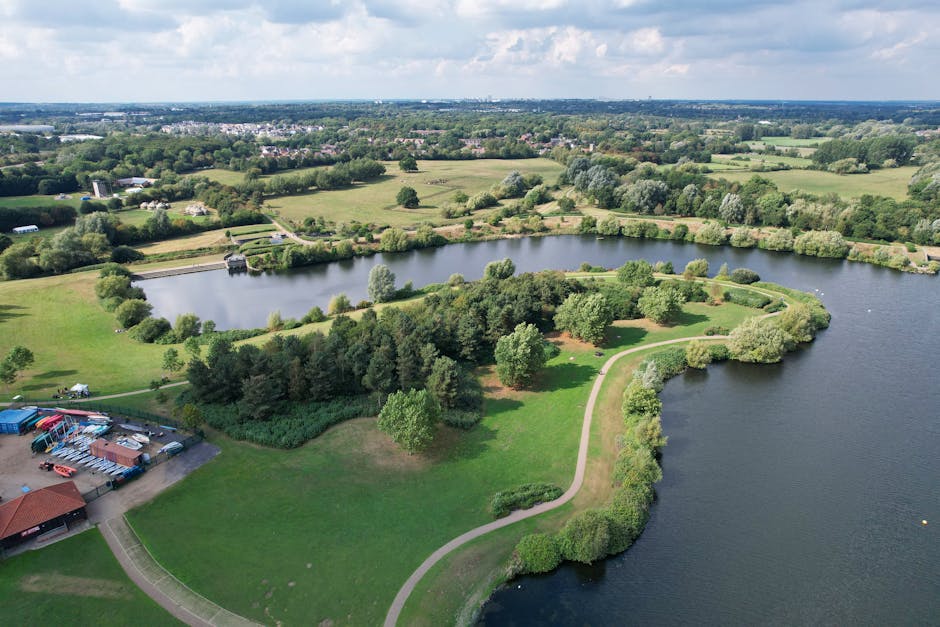
Fairlop Waters garden rubbish removal options Barkingside: a practical local guide
If you are staring at a heap of hedge cuttings, old turf, broken pots, and a few mystery bags that have been in the corner of the garden far too long, you are not alone. Fairlop Waters garden rubbish removal options Barkingside is a very ordinary problem with a surprisingly unordinary amount of decision-making attached to it. What should be removed first? What can be reused or recycled? Do you need a one-off clearance, a larger waste removal visit, or something more flexible? And how do you keep it all tidy without turning a simple job into a weekend-long headache?
This guide walks through the realistic options, how garden rubbish removal usually works, what to watch for, and how to choose the right route for your space. It is written for people who want the job done properly, not just quickly. To be fair, that is usually the point when the ivy has taken over and the bin bags are multiplying like rabbits.
For readers who also need a broader household or property clearance, it can help to look at related services such as garden clearance, general waste removal, or even garage clearance if the outdoor mess has spread indoors a bit. That happens more often than people admit.
Table of Contents
- Why Fairlop Waters garden rubbish removal options Barkingside matters
- How Fairlop Waters garden rubbish removal options Barkingside works
- Key benefits and practical advantages
- Who this is for and when it makes sense
- Step-by-step guidance
- Expert tips for better results
- Common mistakes to avoid
- Tools, resources and recommendations
- Law, compliance, standards, or best practice
- Options, methods, or comparison table
- Case study or real-world example
- Practical checklist
- Conclusion
- Frequently asked questions
Why Fairlop Waters garden rubbish removal options Barkingside Matters
Garden waste builds up in layers. One weekend it is just a few branches. The next, you have wet grass cuttings, a pile of soil, old sleepers, a dismantled shed panel, and the vague sense that the garden is winning. In areas around Fairlop Waters and Barkingside, outdoor spaces are often used hard and kept carefully. That means garden rubbish removal is not just about aesthetics; it is about making the space usable again.
There is also a practical side. If waste sits out too long, it can attract pests, go soggy, smell unpleasant, or simply get in the way of regular maintenance. A blocked path, a pile near the fence, or a stack of thorny trimmings can make simple jobs awkward. Anyone who has tried to mow around a heap of cuttings on a damp morning will know the feeling. Not fun.
Choosing the right removal option matters because different waste types need different handling. Green waste, timber, soil, pots, broken furniture, and mixed garden junk are not all treated the same. A tidy clearance can save time, reduce lifting, and make recycling more likely. It also gives you a clearer idea of what is actually in the garden, which is useful if you are planning landscaping, renting out a property, or just trying to get your Sunday back.
If the garden project is part of a bigger home reset, pairing it with home clearance or house clearance can make the whole job smoother. That is especially helpful when outdoor clutter has crept into sheds, side returns, or spare rooms.
How Fairlop Waters garden rubbish removal options Barkingside Works
Most garden rubbish removal jobs follow a similar rhythm, even if the property size or waste volume changes. First comes the assessment. Then comes the sorting, loading, and disposal or recycling stage. Simple enough on paper, a bit more involved in real life.
Typically, the process starts with identifying the main waste streams:
- Green waste such as grass cuttings, leaves, plants, and hedge trimmings
- Woody waste such as branches, logs, and cut timber
- Heavy inert material such as soil, rubble, stones, or broken paving
- Mixed garden junk such as broken plant pots, plastic edging, old fencing, and damaged outdoor items
Once the waste is sorted, the removal method depends on how much there is and how awkward it is to move. Small volumes may be bagged and loaded quickly. Larger clearances may need a team, a van, and a bit more coordination. If the garden includes old outdoor furniture, a broken bench, or rusty bits from the shed, you may also need something closer to furniture disposal rather than simple green waste collection.
In practice, a good service should be clear about what it can take, how it will separate recyclable material, and whether any items need special handling. You should not have to guess. If you are dealing with a mixed job that includes branches, broken storage, and odds and ends from a patio refresh, it helps to talk through the waste upfront rather than leaving it to chance on the day.
Some people prefer a full-service collection where everything is removed in one go. Others want a more staged approach: garden waste out first, then heavier materials later. Both can work. The key is matching the method to the mess, not the other way around.
Key Benefits and Practical Advantages
The obvious benefit is space. Once the waste is gone, you can see the garden again. But there are several quieter benefits too, and they matter just as much.
1. Faster progress on the actual garden project
When rubbish is cleared early, everything else becomes easier. You can prune, replant, mow, level, or redesign without stepping over piles. It sounds basic, but that one change often turns a stalled project into something manageable.
2. Safer access and fewer trip hazards
Loose branches, damp bags, broken plastic, and stacked timber are all easy to trip over. Clearing them reduces the chance of a muddy stumble or an annoying little injury that ruins the rest of the day. Truth be told, the garden is not where most people want to test their balance.
3. Better sorting and recycling
Once waste is separated properly, more of it can be directed into the right stream. Green waste can often be handled differently from mixed rubbish, and recoverable items can be pulled out before the lorry leaves. If sustainability matters to you, this is a very real advantage. The company's recycling and sustainability approach is worth reviewing if you want a more considered service.
4. Less strain on you
Garden waste has a habit of being heavier than it looks. Wet soil, old branches, and compacted bags are not friendly on backs or wrists. Professional loading means fewer repeated lifts and less risk of overdoing it. Your shoulders will thank you the next day.
5. Better presentation for buyers, tenants, or guests
If the property is being prepared for sale, let, or family use, a clean garden creates a stronger first impression. Fairlop Waters and Barkingside homes often rely on outdoor space as an extension of the living area. A cleared garden can make the whole place feel more open and cared for.
Expert summary: The best garden rubbish removal option is rarely the cheapest or the fastest on paper. It is the one that clears the right waste, handles awkward items safely, and leaves the space ready for the next step without extra stress.
Who This Is For and When It Makes Sense
This kind of removal service is useful for more people than you might expect. It is not only for major landscaping jobs or post-renovation clear-outs.
You may need it if you are:
- tidying a garden after a long period of neglect
- cutting back hedges, trees, or overgrown shrubs
- preparing for lawn work, new planting, or paving
- dealing with a shed clear-out plus garden waste at the same time
- moving out and leaving the outdoor space in decent order
- managing a rental property between tenancies
- sorting mixed waste after storm damage or seasonal pruning
It also makes sense if you have limited access to a vehicle, no trailer, or simply no appetite for multiple trips to a disposal site. Let's face it, loading a car boot with wet branches is not everyone's idea of a good afternoon.
For landlords, property managers, and small businesses with exterior spaces, timing matters too. A quick, reliable visit can prevent a small problem becoming a complaint. If you manage a work yard, office frontage, or business outdoor area, a broader business waste removal solution may be more appropriate than a purely domestic garden collection.
There is also a grey area where garden waste overlaps with household clutter. Old plant stands, broken patio chairs, and shelving from a shed often sit between categories. In that case, you may need to think beyond the obvious and compare garden clearance with furniture clearance or furniture disposal.
Step-by-Step Guidance
If you want the process to run smoothly, a little preparation goes a long way. Here is a sensible way to approach it.
- Walk the garden first. Look at what you want removed and separate it into broad groups: green waste, wood, heavy material, mixed rubbish, and reusable items.
- Decide what stays. Be honest. The old broken planter you might fix one day? If that day never comes, it is probably clutter.
- Bundle loose waste where possible. Tie branches, gather leaves, and stack lighter items in one place so loading is easier.
- Check access. Gates, side passages, low branches, and steep steps can all slow things down. A clear route saves time and avoids surprises.
- Separate awkward or heavy items. Soil, rubble, slabs, and soaked timber need different handling from hedge trimmings.
- Ask how the waste will be managed. You want to know what is recyclable, what is mixed, and whether anything needs special disposal.
- Confirm the quote structure. A clear quotation should explain volume, labour, access, and any notable extras if they apply.
One useful habit is to take a quick look at the garden from the perspective of the person loading it. If a bag is hidden behind a bench, or a pile is wedged under branches, it may slow the whole job more than you expect. A few minutes of tidying before the collection can make a real difference.
If the outside work is part of a broader property refresh, you might also want to consider whether the attic, shed, or spare room needs attention too. In those cases, loft clearance can be relevant if stored items have started spilling into the rest of the home, while flat clearance can be useful for compact properties with little storage space.
Expert Tips for Better Results
A few small choices can make the whole thing cleaner, quicker, and less frustrating. These are the details people usually only learn after doing it once.
Keep green waste separate where you can. It tends to be the easiest stream to handle, and separating it from mixed rubbish can improve recycling outcomes. Even a rough split helps.
Don't overpack bags. A bag that looks manageable on the lawn can feel absurdly heavy on the way to the loading area. If it is hard to lift, it is too full. Simple as that.
Trim waste into workable lengths. Long branches are awkward. Shorter, bundled pieces usually load faster and are easier to stack safely.
Leave a clear path. If the team has to step over hoses, tools, or garden ornaments, the job takes longer and the risk of bumps goes up. Move the fiddly bits out of the way before collection time.
Take photos if the waste mix is complex. Not for drama. Just for clarity. A couple of good pictures help explain the job if you are asking for a quote or checking what can be taken.
Think in stages for bigger gardens. Sometimes it is smarter to clear the worst area first, then return for the rest after pruning or digging is complete. That can save double handling. It also keeps morale up, which sounds fluffy but is genuinely useful when the garden is a bit of a jungle.
Use the removal to reset the space. Once the rubbish is gone, take ten minutes to decide what the garden needs next. Mulch? New edging? A simple sweep and pressure wash? A small reset after clearance often brings the space back to life.
Common Mistakes to Avoid
Most problems with garden rubbish removal are avoidable. The issue is usually not the waste itself, but the planning around it.
Assuming everything counts as green waste. Broken pots, fence panels, treated timber, and old furniture are not the same as grass cuttings. Mixing them up can create delays or disposal issues.
Leaving heavy materials until the end. Soil, gravel, and slabs are often the hardest part of the job. If they are tucked away awkwardly, they can dominate the whole clearance.
Forgetting access constraints. Narrow side passages, shared entrances, or long carrying distances matter. If you know access is tight, say so at the start.
Underestimating the volume. A half-full corner of the garden can become several van-loads once it is broken down. It happens all the time. Things look smaller when they are still piled together.
Not checking what is included in the quote. A low headline price is only useful if it covers the actual work needed. Ask how volume, loading, and disposal are being handled.
Leaving sharp or hazardous items mixed in. Nails, broken glass, rusted tools, and splintered wood should be identified early. It keeps everyone safer and speeds up the job.
Waiting until the waste has become waterlogged. Wet garden waste is heavier. A lot heavier. If you can avoid leaving it exposed during very wet weather, do.
Tools, Resources and Recommendations
You do not need a shed full of specialist kit to manage garden rubbish well, but a few basic tools make a noticeable difference.
- Sturdy sacks or rubble bags for lighter waste and mixed debris
- Gloves with decent grip for thorny or damp material
- Hand pruners and loppers for cutting branches into manageable lengths
- A wheelbarrow or garden trolley for moving heavier loads short distances
- A rake and broom for the final sweep-up after loading
- Tarpaulin or sheet to group waste neatly and protect paths
For bigger jobs, the right service matters more than the right tool. If the garden waste is tangled with general clutter, a broader waste removal option may be more efficient than trying to force everything into a single category.
It is also worth looking at the company's practical standards before booking. Pages such as pricing and quotes, payment and security, and insurance and safety can give you a better sense of how the service is run and how seriously it treats the work. That matters more than most people think.
Law, Compliance, Standards, or Best Practice
Garden rubbish removal in the UK is usually straightforward, but there are still a few practical rules and standards worth respecting. You do not need to become a compliance expert. You just need to avoid the common pitfalls.
First, waste should be handled by someone who manages it responsibly and can dispose of it through appropriate channels. If you are hiring a service, it is reasonable to expect that waste is being transported and processed properly, with a clear approach to recycling where possible.
Second, some garden items are not just "rubbish" in the casual sense. Treated timber, sharp metal, electrical garden equipment, and contaminated materials may need different handling. If in doubt, declare them before collection. It is much easier to deal with a tricky item up front than to discover it at the kerbside later.
Third, health and safety is not just paperwork. On-site lifting, carrying, and loading should be done sensibly, especially where uneven ground, damp surfaces, or narrow access are involved. A good operator should work with care rather than speed for speed's sake. That balance is important.
For customers, the best practice is simple: describe the waste accurately, keep access safe, and ask sensible questions before the job starts. If a service provides clear terms, transparent pricing, and a sensible approach to recycling, that is a strong sign you are dealing with people who take the work seriously. You can also review the company's terms and conditions and about us information to understand how it presents itself and how it structures its service.
Options, Methods, or Comparison Table
There is no single right method for every garden. The best choice depends on volume, waste type, access, and how quickly you want the space cleared.
| Option | Best for | Pros | Watch-outs |
|---|---|---|---|
| Self-clearance | Very small amounts of lightweight waste | Flexible, may be low cost if you already have transport | Time-consuming, heavy lifting, multiple trips |
| Bagged garden waste pickup | Routine hedge, grass, and leaf waste | Simple, tidy, good for regular maintenance | Not ideal for mixed junk or bulky material |
| Full garden clearance | Overgrown gardens, mixed debris, larger projects | Fast, comprehensive, less stress | May cost more than lighter options |
| Mixed waste removal | Jobs with timber, pots, furniture, and garden rubbish together | Convenient, reduces sorting pressure on you | Needs clear communication about waste types |
In many real-world cases, the best answer is a mix of methods. For example, a homeowner may handle a small amount of pruning themselves, then book a clearance for the heavier, awkward, or messy leftovers. That can be a sensible compromise, especially if the budget is tight or the garden is being tackled in phases.
If the outdoor area also includes a cluttered shed, a leaning stack of boards, or broken household items, a specialised page like garage clearance can be useful because it mirrors the same "mixed item" challenge. Different room, same problem, really.
Case Study or Real-World Example
Here is a realistic example based on the kind of job people often face around Barkingside and Fairlop Waters.
A small family garden had become a storage zone over two seasons. There were hedge cuttings from several trims, a patch of old turf rolled up by the fence, cracked plant pots, a rusty frame from a broken patio chair, and a few bags of soil from a half-finished border. Nothing dramatic on its own. Together, though, it made the garden feel cramped and slightly off-putting.
The first step was to split the waste into simple groups: green waste, hard items, and heavy soil. The owner moved a barbecue, hose, and kids' toys out of the way, and the clear path made the loading quicker. The result was not just a cleaner garden. It was a space that could finally be used again for planting and sitting out. A small thing, maybe, but a meaningful one.
What helped most was not brute force. It was sorting before lifting. Once that was done, the rest of the job felt almost calm. Almost. There was still one stubborn bag that had become half mud, half leaves, but that is garden work for you.
Practical Checklist
Use this before booking or starting the removal:
- Walk the garden and identify every waste pile
- Separate green waste from mixed rubbish where possible
- Set aside heavy materials like soil, gravel, and slabs
- Remove reusable items you want to keep
- Clear access routes through gates, paths, and side passages
- Check for sharp, broken, or awkward items
- Take a few photos if the waste volume is hard to describe
- Confirm what the service will and will not take
- Review pricing, payment, and disposal approach
- Make sure the space is ready before the team arrives
A quick checklist like this can save a lot of back-and-forth later. It also helps you feel in control, which is honestly half the battle when the garden looks like it has staged a quiet rebellion.
Conclusion
Fairlop Waters garden rubbish removal options Barkingside are most useful when they help you get the garden back to a usable, pleasant state without adding stress. That could mean a simple green waste pickup, a broader garden clearance, or a mixed removal that deals with awkward outdoor clutter in one go. The right choice depends on what is actually there, how much of it there is, and how much lifting you want to do yourself.
The smartest approach is usually the least dramatic one: sort the waste, be clear about access, ask sensible questions, and choose the option that matches the job instead of forcing the job to match the option. Once the rubbish is gone, you get back something more valuable than space. You get a garden that feels like yours again. And that, on a damp London afternoon, is a pretty good feeling.
If you are ready to clear the clutter and move the project forward, take the next step and compare your options carefully. A tidy garden can change the whole mood of a home, sometimes more than people expect.
Get a free quote today and see how much you can save.
Frequently Asked Questions
What counts as garden rubbish in Barkingside and Fairlop Waters?
Usually, it includes grass cuttings, hedge trimmings, leaves, branches, weeds, soil, old plant pots, damaged fencing, and other outdoor clutter. Mixed items may need a broader clearance approach.
Is garden waste removed separately from general rubbish?
Often, yes. Green waste can sometimes be handled differently from mixed waste, which is why separating it helps. If everything is mixed together, it may still be collected, but the process can be less efficient.
How do I know if I need garden clearance or waste removal?
If the job is mainly outdoors and made up of plants, branches, soil, and garden debris, garden clearance is usually the better fit. If the waste is mixed with household clutter, furniture, or general junk, waste removal may be more practical.
Can I include broken garden furniture in the same collection?
Yes, often you can, but it is best to mention it early. Broken chairs, benches, or tables may be handled through a furniture-focused service or as part of a mixed clearance.
What should I do before a garden rubbish collection?
Separate the waste into rough groups, clear access paths, and remove anything you want to keep. A few minutes of preparation can make the collection smoother and reduce delays.
Will soil and rubble be taken as part of garden rubbish removal?
They can be, but they are heavier and usually need to be discussed in advance. Soil, rubble, stones, and slabs can affect how the job is priced and loaded.
How can I keep the cost down?
Sort waste before the visit, keep access clear, avoid mixing recyclable green waste with general rubbish, and be honest about volume. Clear information usually leads to a more accurate quote.
Is it worth clearing the garden in stages?
Yes, if the space is very overgrown or the budget is limited. A staged approach can make the work more manageable and help you prioritise the worst areas first.
What if I also have items in the shed or garage?
That is very common. If the job has spread beyond the garden, a garage clearance or home clearance service may be a better all-in-one solution. It saves time and avoids booking multiple visits.
How do I choose a trustworthy service?
Look for clear pricing, sensible communication, practical safety standards, and a recycling-aware approach. It also helps if the company explains its terms clearly and provides straightforward service information.
Do I need to worry about recycling or disposal standards?
Yes, in a sensible way. You do not need to know every disposal rule, but you should expect waste to be handled responsibly and sorted where possible. That is part of a decent service.
Can a garden clearance help before selling or letting a property?
Absolutely. A tidy outdoor space improves first impressions and makes the property feel better maintained. It is one of those small jobs that can change the feel of a place quite a lot.